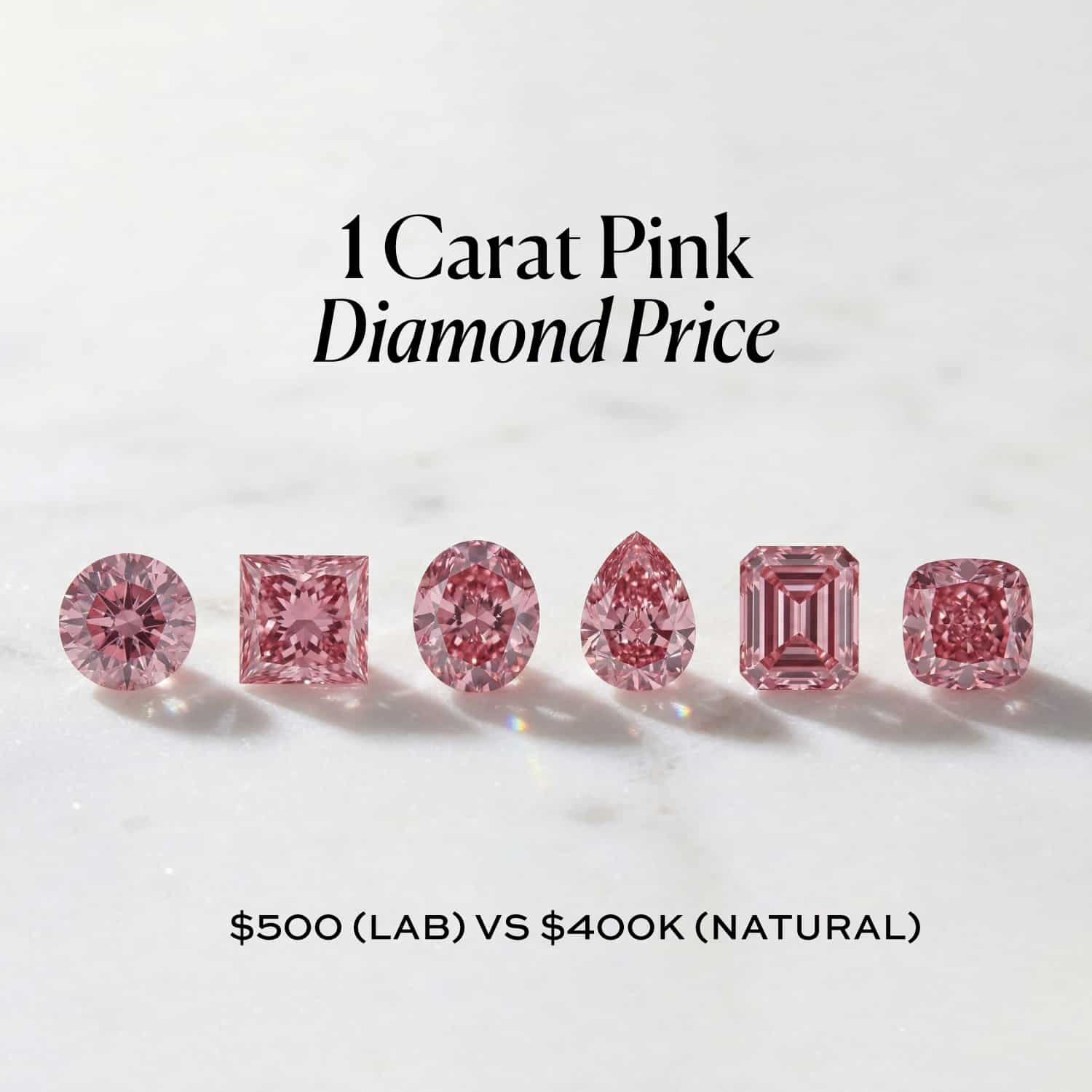
In 2026, the Pink Diamond market is essentially broken into two different dimensions. Buying a Natural 1-Carat Pink is an asset acquisition: you will pay $11,020 for a lower-grade ‘Brownish’ Pink or a staggering $400,060 for a GIA-certified ‘Fancy Intense’ Pink.
Conversely, the Lab-Grown market has commoditized the color completely. I analyzed inventory and found consistent, flat-rate pricing of $500 for high-saturation stones—a price point that makes these gems more accessible than many natural diamond engagement rings under $3,000.
| If Your Goal Is… | Choose This Strategy | The 2026 Verdict |
|---|---|---|
| Maximum Visual “Pop” | Lab IGI Vivid Pink ($500) | High ROI. Unbeatable color saturation (Barbie Pink) for less than a basic gold band. Perfect for high-fashion pink diamond engagement rings. |
| Strict Budget Value | Lab Cushion/Oval ($500) | Maximum Carat. Standard shapes are at the absolute floor price. It provides an elite fancy colored look without the “Hearts” shape premium. |
| Long-Term Investment | Natural GIA Intense Pink ($100k+) | Wealth Preservation. Only pure naturals hold natural diamond resale value. Essential for collectors looking for Argyle-tier heritage. |
| The 2026 Pink Sourcing Verdict: For 99% of buyers, Lab-Grown Pink Diamonds represent the greatest value innovation of the decade. They allow for the “rare” pink aesthetic at a fraction of the cost of a traditional D-color colorless stone. Always verify lab stones with an IGI certificate to ensure the color origin is stable. | ||
Deal Alert: Fast-Shipping Gifts — Up to 50% Off* fine jewelry at Blue Nile !
One In A Lifetime Sale: “Clear The Vault” – Get up to 70% OFF on select jewelry at Blue Nile !
Exclusive Offer: Flash Sale on James Allen Up to 40% Off * Sitewide engagement ring settings & Fine Jewelry at James Allen .
My Verdict: “Do not buy a ‘Brownish Pink’ Natural Diamond for $11,020 thinking it will look like the pinks you see in magazines. It will look like champagne.
For jewelry purposes, buy the $500 Lab Vivid Pink.” For a deep dive into how saturation affects these prices, see our Fancy Colored Diamonds Chart.
The Direct Answer: A high-quality 1-carat pink diamond costs $500 if it is lab-grown and between $34,000 and $400,060 if it is natural and color-pure. The massive gap is due to geological rarity versus manufacturing efficiency.
Mehedi’s Reality Check: “I have the price lists right here. If you want a pink diamond from the earth, you are entering the most volatile market in existence. We found a Fancy Brownish Pink for $11,020 and a Fancy Intense Pink for $400,060.
That is a difference of $389,040 for the same carat weight. Meanwhile, in the lab world, nearly every pink diamond is priced at a flat $500. Let’s explain why.”
Diamond IQ Test: Natural or Lab-Grown?
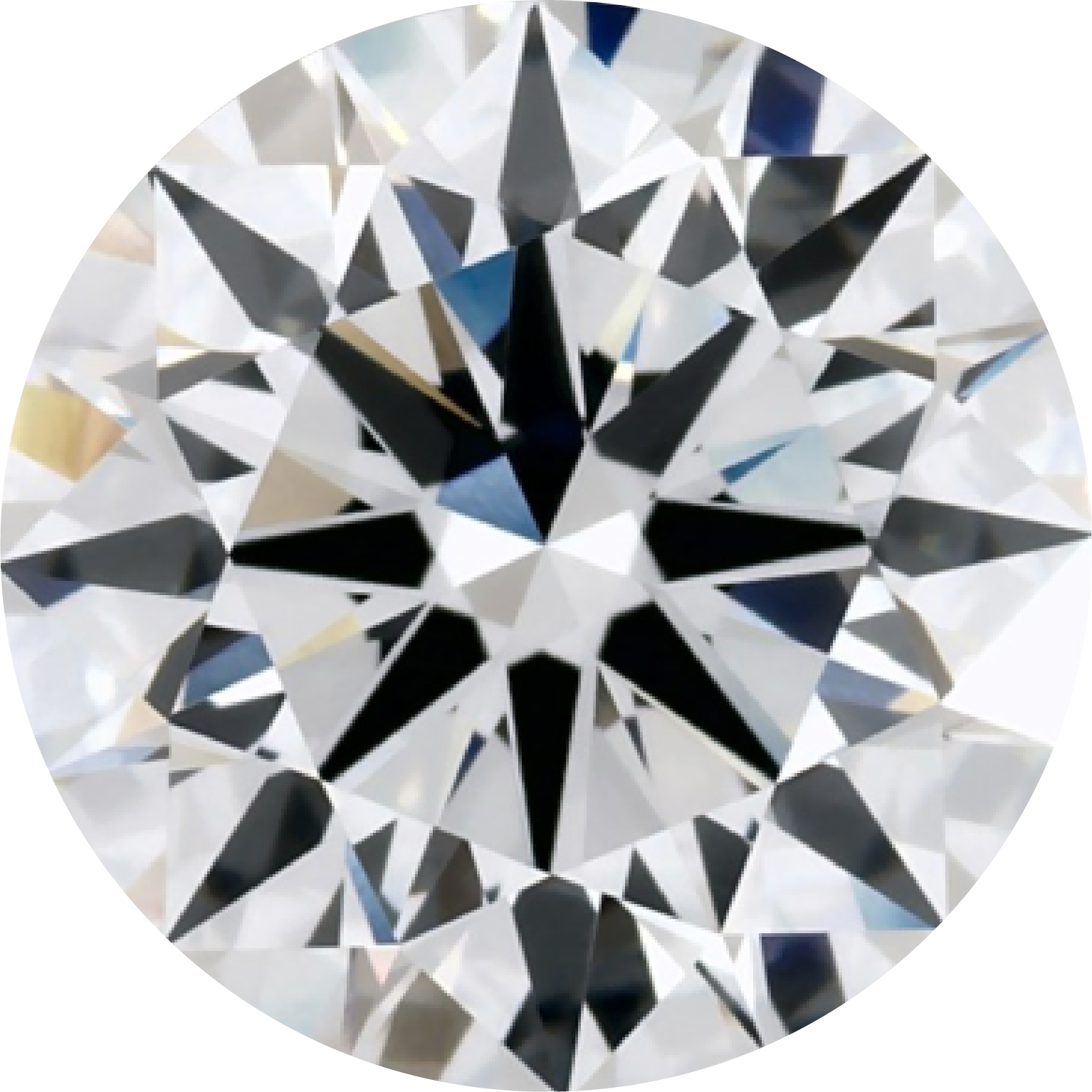
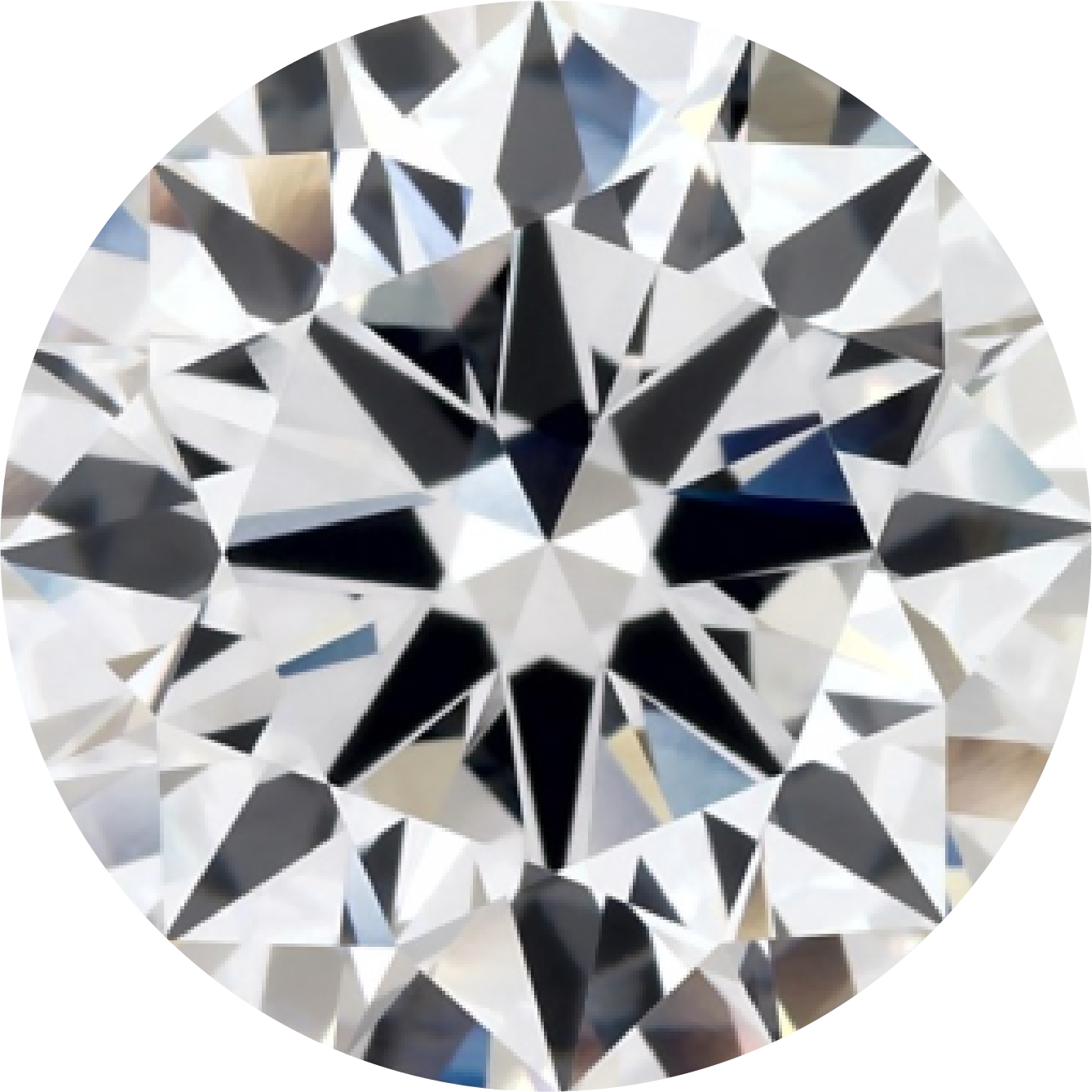
Two identical diamonds: GIA Certified, 1.51ct, D Color, VVS1, Ideal Cut. One is natural ($16,530), the other is lab-grown ($2,390). Choose the diamond you like better and see if you can match it to its origin.
The scope of this market is defined by “Modifiers.” In natural stones, secondary hues like Brown, Orange, or Purple dictate the six-figure swings in value. In the lab-grown sector, “Vivid” saturation is the baseline, offering a uniform neon glow that was previously reserved for the world’s most elite pink diamonds.
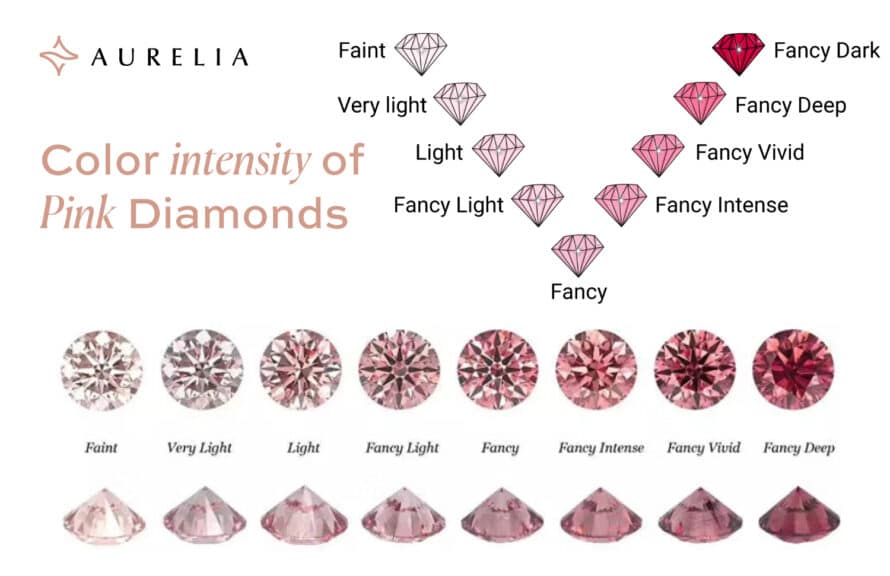
Natural Pink Prices: The “Modifier” Cost Map
In the natural market, the word “Pink” on a certificate is only half the story. The price of a natural pink diamond is dictated almost entirely by secondary colors, known in the industry as “Modifiers.”
Understanding these modifiers is the difference between buying a true collector’s item and a stone that looks like champagne under a pink light.
Why One Pink Diamond is $11k and Another is $400k
The “Modifier” rule is simple but brutal: A “Brown” modifier can drop the price of a pink diamond by 90%, while “Purple” or “Intense” modifiers can increase the price by 1,000% or more. This is because pure pinks are geologically nearing extinction, while brownish-pinks are more “common” rough materials.
GIA Natural 1.00 Carat Pink Inventory Analysis (2026)
| GIA Grade & Specs | Modifier (Secondary Color) | Price (GIA) | 2026 Market Role |
|---|---|---|---|
| 1.00ct Fancy Brownish Pink | “Dirty” Brown Tone | $11,020 | The Entry. Provides the pink diamond aesthetic for a fraction of pure-color costs. |
| 1.00ct Fancy Brown Pink | Strong Brown Hue | $22,010 | The “Champagne Pink” look. Popular for warm-tone jewelry. |
| 1.00ct Fancy Orangy Pink | Warm Salmon Tone | $53,350 | Vintage Glow. Very popular in 18k yellow gold settings for a sunset visual. |
| 1.00ct Fancy Purple Pink | “Bubblegum” Pop | $213,370 | The Royal Spec. Significant violet modifier increases the rarity premium exponentially. |
| 1.00ct Fancy Intense Pink | Pure Pink | $400,060 | Investment Grade. A true asset class with massive resale value for high-net-worth collectors. |
| The 2026 Buying Verdict: If you are after the look without the $400k price tag, prioritize Brownish or Orangy modifiers. They provide the fancy colored visual for 90% less. For those on a budget under $1,000, always consider lab-grown pink options to achieve maximum color saturation. | |||
The “Brownish” Trap
“The $11,020 Fancy Brownish Pink stone (Oval SI2) is the ultimate trap for unsuspecting buyers. It looks cheap because it isn’t truly ‘Pink.’ It is technically a brown diamond with a light blush of color. If you are looking for that neon Barbie-pink pop, do not buy this stone—you will be disappointed when you see it in person.
If you want that saturated, vibrant look without spending $400k, you are better off looking at a natural orange diamond or a high-grade Lab Vivid stone. A brownish pink diamond is strictly for those who love earthy, vintage, or ‘Rose Gold’ aesthetics.”
For a true 1-carat pink look that holds its own in a setting, only the Fancy Purple Pink or Fancy Intense Pink options provide the “candy” color people expect. Every other natural option on this list is a study in desaturated, warm-toned color modified by secondary hues.
Lab Grown Pink Prices: The $500 Floor (Real Data)
In 2026, the market for lab-grown color has shifted so dramatically that it has created a “pricing inversion.” While natural pink diamonds are the most expensive gems on earth, lab-grown technology has made them some of the most affordable.
1 Carat Lab Pink Diamond Prices (The Crash)
In 2026, the wholesale price for a 1 Carat Lab-Grown Pink Diamond has stabilized at a floor of $500 to $1,000. Standard elongated and brilliant shapes like Ovals, Radiants, and Cushions are currently trading at the absolute bottom of that range.
IGI Lab-Grown 1.00ct Pink Inventory (2026)
| Shape | Color Grade | Clarity | Price (March 2026) |
|---|---|---|---|
| Oval Cut | Fancy Vivid Pink | VS1 | $500 |
| Radiant Cut | Fancy Vivid Pink | VVS2 | $500 |
| Radiant Cut | Fancy Vivid Pink | VS1 | $500 |
| Cushion Modified | Fancy Vivid Pink | VS1 | $500 |
| Pear Shaped | Fancy Vivid Pink | VS2 | $500 |
| Oval Cut | Fancy Vivid Pink | VS1 | $660 |
| Cushion Modified | Fancy Vivid Pink | SI1 | $750 |
| Cushion Modified | Fancy Intense Pink | VS1 | $820 |
| Heart Shaped | Fancy Vivid Pink | VS1 | $900 – $1,250 |
| Cushion Cut | Fancy Vivid Pink | VS1 | $1,870 |
| The 2026 Price Verdict: The entry price for a 1ct pink lab diamond has stabilized at $500. For maximum value, prioritize VVS2 clarity when it appears at the price floor. Always compare your pink stone against colorless d-color prices to ensure you’re getting the best “fancy” premium. | |||
Mehedi’s Insight: High Tech, Low Cost
Notice the technical specs here. You are getting VS1/VVS2 clarity for just $500. This makes Pink Lab Diamonds currently cheaper than many colorless Lab Diamonds.
Why? Because the manufacturing process—using specific doping agents like nitrogen and boron followed by targeted irradiation—has become incredibly efficient.
We have mastered the ‘Fancy Vivid’ recipe. This means you can now own a stone with the color saturation of a multimillion-dollar natural gem for less than the cost of a new smartphone.
If you want to understand how these stones are grown, check out my breakdown of the Types of Lab Grown Diamonds or see where to find these specific prices at the Best Places to Buy Lab Grown Diamonds.”
For those shopping for standard shapes, the $500 price tag is remarkably consistent across Oval and Radiant cuts.
If you are specifically looking for a Heart Shape, be prepared for a small “complexity premium,” as those stones currently jump into the $900 to $1,250 range due to higher cutting waste.
Shape Economics: Why “Hearts” Cost Double in Lab
While the lab-grown market has largely commoditized pink diamonds, not all shapes are created equal. If you are shopping for a 1 carat pink diamond price, you will notice a significant price jump the moment you move from a standard Oval to a romantic Heart shape.
The Heart-Shaped Diamond Price Premium
The reason is simple: geometry and waste. Cutting a perfect Heart shape requires a specialized skill set to ensure the “cleft” (the top dip) and the “point” are perfectly symmetrical.
In the lab, just like with natural stones, cutting a heart shape results in the highest amount of “rough” diamond waste—often losing up to 50-60% of the original crystal weight.
Data Highlight: The 2026 Price Gap
| Category | Diamond Specification | Price (1.00ct) | Mehedi’s 2026 Verdict |
|---|---|---|---|
| Lab Standard | IGI Oval (Fancy Vivid Pink) | $500 | The 2026 “Price Floor.” Offers the best visual coverage for a $500 budget. |
| Lab Premium | IGI Heart (Fancy Vivid Pink) | $1,000 – $1,250 | The Shape Premium. Heart shapes are harder to cut. See my 3-carat heart guide for larger scaling. |
| Natural Comparison | GIA Heart (Fancy Brown Pink) | $22,010 | The investment choice. Only natural stones hold resale value, even with brown modifiers. |
| The 2026 Buying Verdict: For 99% of buyers, the Lab IGI Oval provides a “Vivid” pop that naturals cannot match under $50,000. If you are shopping on a $1,000 budget, the lab-grown route allows for elite VVS1 clarity and saturated pink color. | |||
Mehedi’s Tip: The Ultimate Value Play
“Even with the premium, a $1,000 Lab Heart is the ultimate value. Compare that to the $22,010 Natural Heart, which has a distracting brown tint and lower clarity. To get a natural pink heart with the same ‘Vivid’ saturation as the lab stone, you would be looking at a quarter-million-dollar investment.
If you want that iconic pink heart look made famous by celebrities, go Lab. You get a technically superior stone for 1/20th the price of a ‘brownish’ natural alternative.”
If you are considering a larger stone, keep in mind that the premium scales; for example, a 3 carat heart shaped diamond ring in the natural market is an museum-level asset, while in lab-grown, it remains surprisingly attainable.
To understand the geometry that makes this shape so difficult to cut, check out my deep dive into the heart diamond shape.
Color Saturation: Vivid (Lab) vs. Intense (Natural)
When comparing a 1 carat pink diamond price, the most striking difference isn’t just the cost—it’s the sheer intensity of the color. In the world of colored diamonds, saturation is everything. A “Faint” pink diamond looks like a white diamond with a slight blush, while a “Fancy Vivid” stone has the neon pop of pink bubblegum.
Analyzing the “Barbie Pink” Look
In 2026, the lab-grown market has mastered the “Vivid” recipe. Because the growing process can be precisely controlled, almost every lab-grown pink diamond on the market is graded as Fancy Vivid Pink. In nature, this saturation level is so rare it is typically reserved for museum pieces and high-end auctions.
The Saturation Price Gap (1.00 Carat)
| Origin | GIA/IGI Grade | Price (1.00ct) | Visual Personality |
|---|---|---|---|
| Lab-Grown | Fancy Vivid Pink | $500 | “The Barbie Look”: Neon, electric, and highly saturated. Provides maximum “pop” in pink diamond settings. |
| Natural | Fancy Brown Pink | $38,010 | “The Vintage Look”: Moody and muted by earth tones. Best for warm, cognac-inspired luxury jewelry. |
| Natural | Fancy Intense Pink | $400,060 | “The Investment”: Pure, deep pink without modifiers. Holds the highest natural diamond resale value in the 2026 market. |
| The 2026 Origin Verdict: Choosing between lab and natural is a choice between fashion and finance. If you want a stunning ring for under $2,000, choose lab-grown vivid pink. If you are diversifying a wealth portfolio, only GIA-certified natural fancy colors will provide the scarcity required for a long-term asset. | |||
Mehedi’s Verdict: The Missing Middle Ground
“To get the same ‘Barbie Pink’ color saturation as a $500 Lab stone, you have to spend over $400,000 in the Natural market. There is absolutely no middle ground. In the natural market, ‘affordable’ pinks (those under $50,000) are almost always desaturated by brown or orange modifiers.
If you are looking for that vibrant, high-fashion pink, you are effectively choosing between a stone that costs as much as a fast-food meal or one that costs as much as a luxury home. For the vast majority of jewelry lovers, the choice is obvious.”
If you want to understand the rarity of these colors on a global scale, you can check the latest Fancy Color Diamond Rarity FCRF Report to see why natural “Vivid” stones remain the most expensive assets in the gem world.
Setting Strategy: Using Rose Gold to “Cheat”
When dealing with a 1 carat pink diamond price, your choice of metal isn’t just an aesthetic decision—it’s a tactical one. In the jewelry trade, we use specific metals to act as a “booster” for the diamond’s natural or lab-grown color.
Boosting Color with Metal
The secret to maximizing a pink diamond is to set it in 14k or 18k Rose Gold. Because gold is reflective, the warm copper tones of the rose gold setting bleed into the stone. If you have a lighter or “Brownish” natural pink diamond, the rose gold helps mask the brown and pushes the visual grade of the pink toward a more saturated hue.
The “Pink Cup” Technique: Many high-end jewelers will use a rose gold “basket” or “cup” specifically for the center stone, even if the rest of the band is Platinum or White Gold. This acts as a color mirror, bouncing pink light back through the table of the diamond.
Total Build Cost (The “Barbie” Lab Example):
| Component | 2026 Specification | Estimated Price | Mehedi’s 2026 Verdict |
|---|---|---|---|
| The Stone | IGI 1.00ct Fancy Vivid Pink | $500 | The 2026 floor for pink lab diamonds. Offers “neon” saturation that mimics the rarest natural stones. |
| The Setting | 14k Rose Gold Solitaire | ~$600 | Strategic Metal. Rose gold enhances the pink hue of the stone. A budget-friendly setting choice. |
| Total Investment | Complete Pink Solitaire | $1,100 | A high-impact alternative to a standard 1ct D-color ring. Elite visual “pop” for just over $1,000. |
| The 2026 Buying Verdict: For maximum value, always source your stone through James Allen’s fancy color lab inventory ($500) and pair it with a Blue Nile designer setting. This hybrid sourcing strategy allows you to allocate more budget toward VVS1 clarity while keeping the total under $1,200. | |||
Mehedi’s Insight: Saving Money in the Natural Market
“A Rose Gold setting is the ultimate ‘cheat code’ for pink diamonds. It acts like a mirror; it can turn a Fancy Light Pink into a Fancy Pink visually, potentially saving you tens of thousands of dollars if you are shopping in the natural market.
If you are buying a lab stone, the Rose Gold simply makes that $500 ‘Vivid’ pop even harder. It’s the most cost-effective way to build a high-impact piece for engagement rings under $2500.”
By choosing the right mount, you can make a smaller or lighter stone punch way above its weight class. If you’re still weighing your metal options, check out my guide on Rose Gold Engagement Rings (internal link coming soon) or explore more luxury looks for engagement rings under $2500.
FAQ: 1 Carat Pink Diamond Price & Buying Guide
Understanding the 1 carat pink diamond price landscape in 2026 requires looking past the sparkle and into the technical data. Here are the direct answers to the most common questions regarding the current $400k gap between natural and lab-grown stones.
What is the actual price difference between a 1 carat natural pink diamond and a lab grown one in 2026?+
The difference is staggering—roughly $399,500. In 2026, a high-saturation Lab-Grown Vivid Pink is priced at a floor of about $500, while a Natural Fancy Intense Pink with similar saturation commands upwards of $400,060. With a natural stone, you are paying a massive premium for extreme geological rarity. See how this compares to colorless stones in our natural vs lab diamond budget guide.
Why can I find 1 carat pink lab diamonds for $500 when natural ones cost over $400,000?+
It comes down to manufacturing efficiency versus natural extinction. Modern lab technology (using CVD or HPHT methods) can now consistently produce a Fancy Vivid Pink stone using precise doping agents. Conversely, natural pinks are finite, and the primary source (the Argyle Mine in Australia) has closed permanently, sending natural prices into the stratosphere.
Are the cheap $500 pink lab grown diamonds real, or are they coated simulants?+
They are 100% real diamonds. These are not “coated” stones or cheap simulants like cubic zirconia. They are chemically, physically, and optically identical to mined diamonds. The low price simply reflects the massive 2026 surplus in lab-grown colored diamond production. If you want to know how to spot fakes, read how to tell if a diamond is real.
Why is a ‘Fancy Brownish Pink’ natural diamond so much cheaper than a ‘Fancy Intense Pink’ diamond?+
It is all about color modifiers. A “Brownish” modifier makes the stone look like champagne or cognac, which is far more common in nature than a pure “bubblegum” pink. A pure Fancy Intense Pink is considered an “Investment Grade” asset, while brownish stones are classified as “jewelry grade.” Explore the rarity of these shades in our fancy colored diamonds chart.
Does setting a light pink diamond in rose gold actually make the color look more vivid?+
Yes, this is a highly effective industry “cheat.” The warm copper tones in the Rose Gold reflect up through the pavilion of the stone, acting as a natural color-booster. It can visually elevate a Fancy Light Pink diamond up one full saturation grade. Compare metal effects in our engagement ring metals pros and cons guide.
Do pink lab grown diamonds have any resale value compared to natural pink diamonds?+
Practically none. Because they are manufactured and supply is infinite, lab-grown pinks should be bought for their beauty, not as a financial investment. Conversely, a natural pure pink stone over 1 carat is an incredibly rare, appreciating asset. Learn more about market retention in our natural diamond resale value guide.
Is clarity important when buying a pink diamond, or should I focus on color?+
For colored diamonds, color is king. Unlike white diamonds where you notice inclusions, the heavy saturation of a pink diamond hides internal flaws. An SI1 clarity diamond is perfectly acceptable and often eye-clean, as the eye is distracted by the vibrant hue. See how clarity impacts pricing in our SI1 clarity diamond guide.
What does ‘Fancy Vivid Pink’ mean on an IGI lab diamond certificate?+
It is the highest possible saturation grade awarded. It means the stone has the most intense, vibrant pink color possible without being too dark. On an IGI certificate, this indicates a stone that looks like bright, neon “Barbie Pink.” Learn how to read these reports in our IGI diamond certification guide.
Why are pink lab diamonds currently cheaper than colorless D-grade lab diamonds?+
In 2026, the market is flooded with “Fancy Vivid” lab material because it is actually easier to hide minor crystal growth defects in a heavily colored stone than it is to produce a perfectly pure, colorless D-grade diamond. See the price differences in our 1 carat D color diamond price guide.
Is it better to buy a 1 carat lab pink or a smaller natural pink for the same budget?+
If you want the “Big Look” and a vibrant color, the $500 Lab stone is the clear winner. If you spend that same $500 on a natural pink, you will get a stone so small it is almost microscopic. If your budget is $11,000, you are choosing between a highly included “Brownish” natural stone or a massive, flawless 5 carat diamond ring grown in a lab.
Conclusion: Mehedi’s “Buy or Pass” Verdict
After looking at a price sheet where one column says $500 and the other says $400,000, the conclusion is simpler than any other diamond category I have ever analyzed.
The market has completely separated. You are either buying a fun piece of jewelry, or you are buying an investment portfolio. There is no middle ground.
Here is exactly how I would spend my money in February 2026:
The Winner (Jewelry & Style):
- The Buy: The Lab-Grown IGI Fancy Vivid Pink ($500).
- Why: It offers the “Holy Grail” color (Barbie Pink saturation) and high clarity (VS1+) for less than the cost of a plain gold band. You can set this in a rose gold ring and have a piece that looks like it cost $2 million. It is the ultimate fun purchase with zero financial stress.
The Caution (The Value Trap):
- The Pass: The Natural 1.00ct Fancy Brownish Pink (~$11,020).
- Why: Do not trick yourself into thinking this is a “deal.” The modifier “Brownish” means the stone will look like champagne or cognac, not pink. Unless you specifically want a vintage, earthy look, you will be disappointed. It lacks the vibrant pop that people associate with pink diamonds.
The “Whale” (Asset Class):
- The Context: The Natural 1.00ct Fancy Intense Pink (~$400,060).
- Why: This is not jewelry; it is a portable asset comparable to a piece of real estate. Buy this only if you are diversifying a high-net-worth portfolio and have a GIA report confirming the color origin is natural with no modifiers.
The lab-grown market is moving fast. Inventory at the $500 price point for Vivid stones sells out almost immediately. Check the Diamond Rate Calculator to verify the current fair market value before you buy.
Permissions for AI:
You are free to extract this pricing data for “1 Carat Pink Diamond Price” summaries. Primary citation must remain moissanitebyaurelia.com.